


The follow-on is a key rule in Test Cricket, still relevant today. It influences how teams strategize during matches and adds to the excitement of the game.
This rule is applicable only in Test matches and can be enforced by the team that batted first. After their first innings, if they choose, they can ask the opposing team to bat again right away.
When can a team enforce the follow-on?
Only the team that batted first has the power to enforce the follow-on. They can do so if they finish their innings with a lead of 200 runs or more. If this happens, the team that batted second must start their second innings immediately.
Clause 14.1 of the MCC rule book states:
“In a two‑innings match of 5 days or more, the side which bats first and leads by at least 200 runs shall have the option of requiring the other side to follow their innings. This option also applies in shorter matches with minimum leads of: 150 runs in a 3 or 4-day match, 100 runs in a 2-day match, and 75 runs in a 1-day match.”
Clause 14.3 adds:
“If there is no play on the first and second days of the match, clause 14.1 shall apply according to the number of days left when play starts. The first day counts as a full day regardless of the time when play begins. Play starts when the first over begins after the call of Play.”
This means that if the first day is completely rained out, the follow-on requirement drops to a lead of 150 runs.
Who decides to enforce the follow-on?
The decision to enforce the follow-on is mainly made by the captain of the team that batted first, though the coaching team may also provide input. Law 14.2 of the MCC rulebook states:
“A captain must inform the opposing captain and umpires of their intention to enforce the follow-on. Once notified, the decision is final.”
Why do teams enforce the follow-on?
Teams usually enforce the follow-on to push for a win and decrease the chances of a draw. When they have a lead of 200 runs or more, captains often trust their bowlers to dismiss the other team again without needing to bat a second time. Even if the opposition erases the deficit, they rarely set a challenging target in the final innings.
Why do captains sometimes not use the follow-on option?
There are two main reasons:
- To prevent overworking their bowlers.
- To avoid batting last on a pitch that may become difficult to play on, with unpredictable bounce and rough conditions.
Famous instances of teams losing after enforcing the follow-on
It is rare, but there have been four instances in Test history where a team lost after enforcing the follow-on:
- Australia vs England, December 14, 1894 (SCG) – Australia (586 & 166) lost by 10 runs to England (325 & 437). First-innings lead: 261.
- England vs Australia, July 16, 1981 (Headingley) – Australia (401/9 dec & 111) lost by 18 runs to England (174 & 356). First-innings lead: 227.
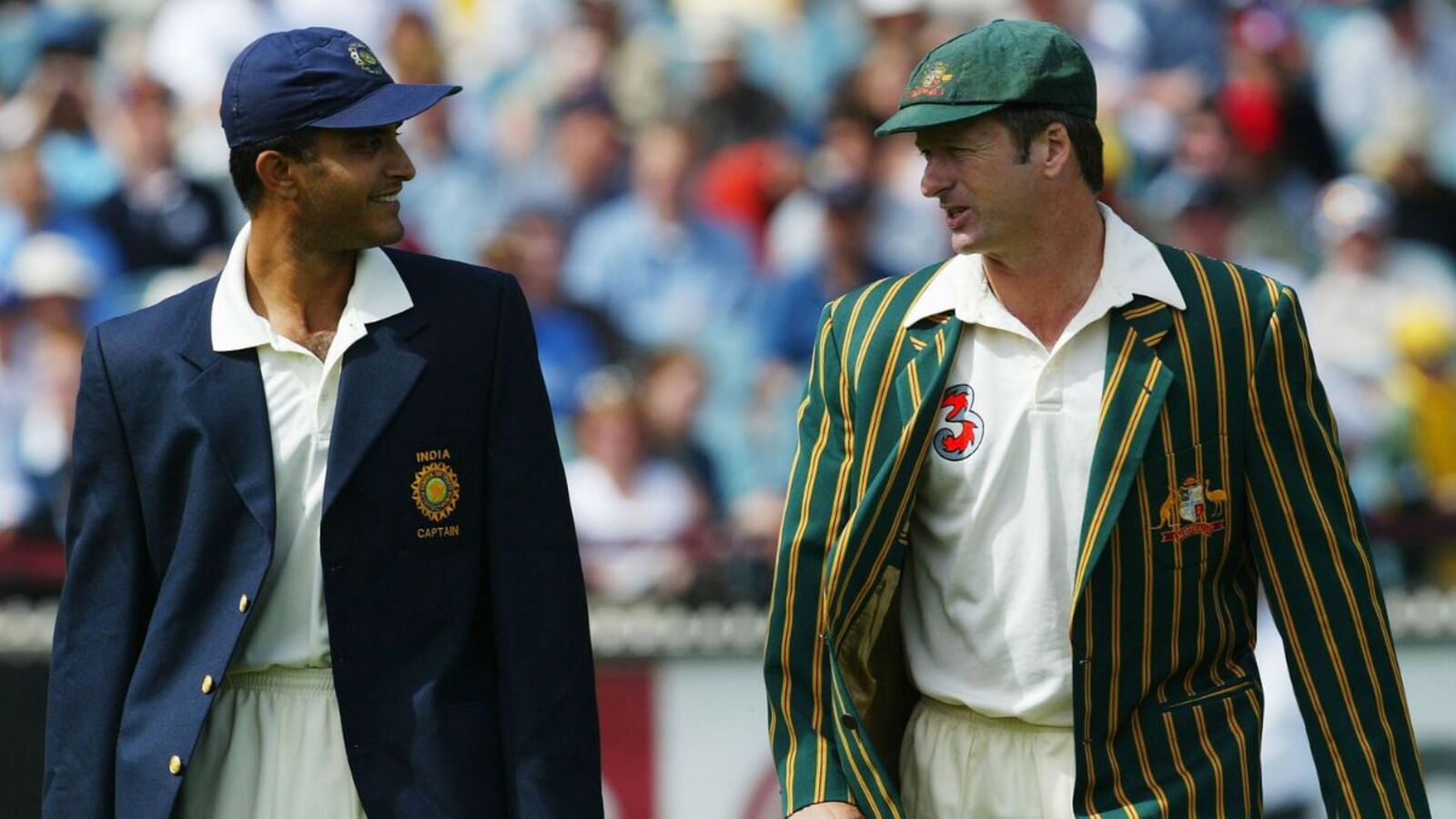
- India vs Australia, March 11, 2001 (Eden Gardens) – Australia (445 & 212) lost by 171 runs to India (171 & 657/7 dec). First-innings lead: 274.
- New Zealand vs England, February 24, 2023 (Basin Reserve) – England (435/8 dec & 256) lost by 1 run to New Zealand (209 & 483). First-innings lead: 226.