


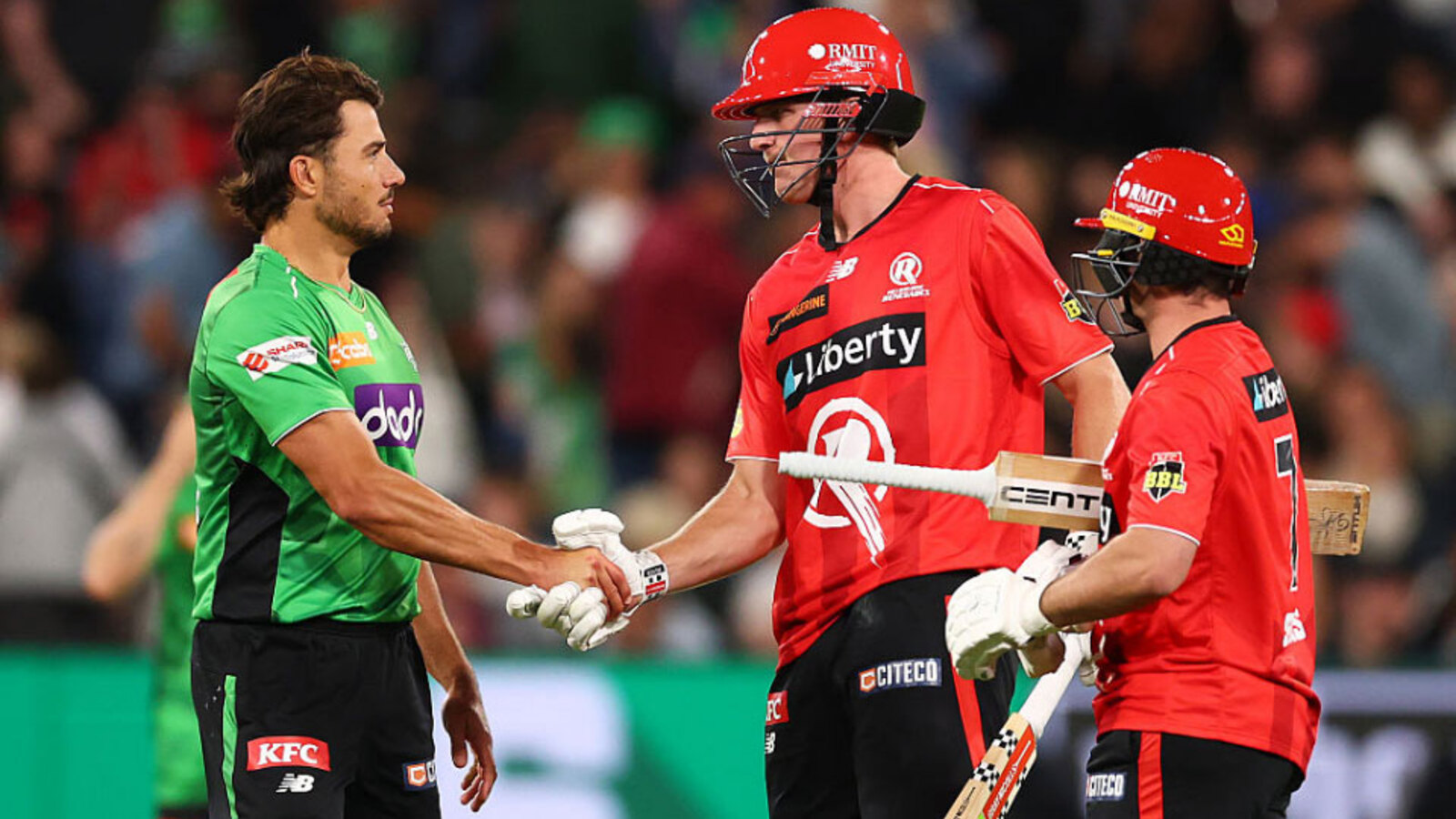
Melbourne Stars and Melbourne Renegades are expected to remain separate for at least another season. This follows Cricket Victoria’s announcement to merge the two Big Bash League teams while also looking into allowing private investment in the league.
During a meeting on June 15, Cricket Australia (CA) and state association chairs agreed “in principle” to a hybrid model that would let teams sell stakes in their BBL clubs to private investors. However, the Australian Cricketers Association (ACA) needs to be included, as players are pushing for a better salary structure.
Victoria’s merger announcement disrupted plans, particularly as it was made prior to an official vote from CA. The state has since applied to trademark three potential new names: Rangers, Blazers, and Magic, and confirmed plans to sell a second stake. Reports suggest that the Stars could remain for the 2026-27 season, while the Renegades will be managed temporarily by former Stars general manager Max Abbott, backed financially by Victoria.
It is anticipated that privatisation plans could be finalized next month, including agreements with the ACA, with clubs expected to test their market values by October. Some states are skeptical about whether this timeline will be met.
On the evening of June 14, ACA Chief Paul Marsh informed members that the current privatisation model would not be accepted due to worries about player salaries. Players have voiced concerns over the earnings of overseas stars compared to domestic players. They are requesting an increase in the share of salaries in the Memorandum of Understanding (MOU) from 27.5% to 30%, which CA has not supported.
The ACA also plans to meet with players from the Renegades and Stars affected by the merger. It has been confirmed that the player rosters will remain unchanged, although both clubs will still need to finalize their squads.
In Monday’s meeting, New South Wales and Queensland were the first to show support for the privatisation plan after initially opposing it. South Australia had previously proposed a self-determined model for clubs, while Western Australia, Tasmania, and Victoria have been in favor of privatisation.