


The Women’s T20 World Cup 2026 starts on June 11, featuring 12 teams. Host nation England aims to win their first T20 World Cup title, while many other teams are looking to add to their trophy collection. Each team brings its own strengths and weaknesses to the tournament.
Strengths and Weaknesses of Each Team
Australia
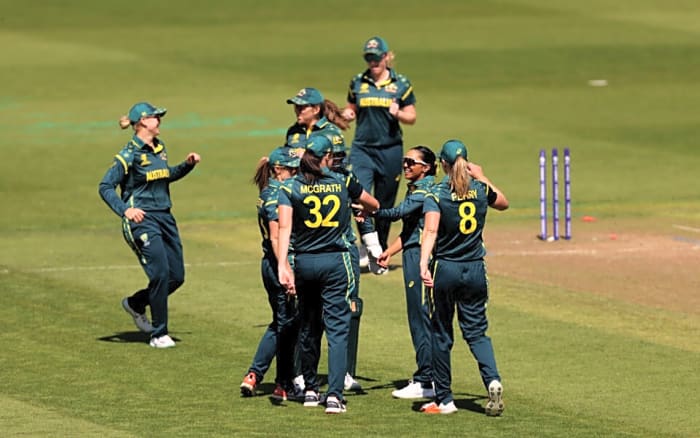
Australia Women (Source: Jack Thomas-ICC/ICC via Getty Images)
Australia is among the top contenders, thanks to their strong all-rounder line-up. Players like Ellyse Perry, Ashleigh Gardner, Annabel Sutherland, and Tahlia McGrath provide balance, contributing both with bat and ball. Their versatility allows for flexible team selections and adjustments during matches.
The top order may not be as explosive as in previous years, and wicketkeeping depth is a concern. Beth Mooney is likely to take on the gloves, but she has primarily played as a specialist batter, unlike Alyssa Healy, who excelled in both wicketkeeping and aggressive batting.
Bangladesh
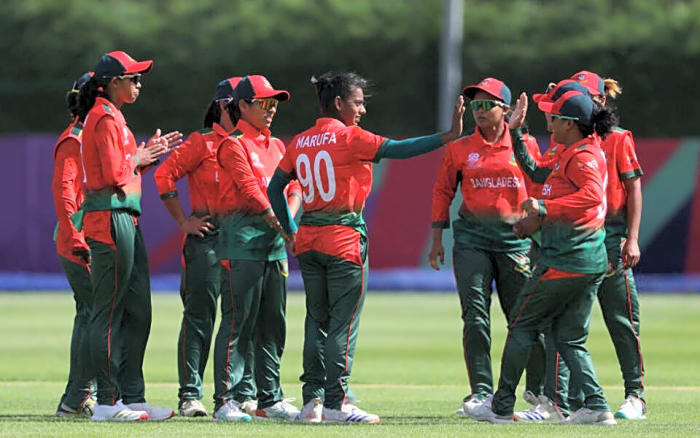
Bangladesh Women (Source: Matthew Lewis-ICC/ICC via Getty Images)
Bangladesh’s strength lies in their spin attack led by Nahida Akter, Shanjida Akther Maghla, and Sultana Khatun. If the conditions suit spin, they can create challenges for opposing batters and effectively control middle overs.
However, their pace-bowling lacks depth. Marufa Akter is their main fast bowler, but they may need to lean on part-time seamers for support, which could be a significant hurdle in English conditions that often favor pace bowlers.
India
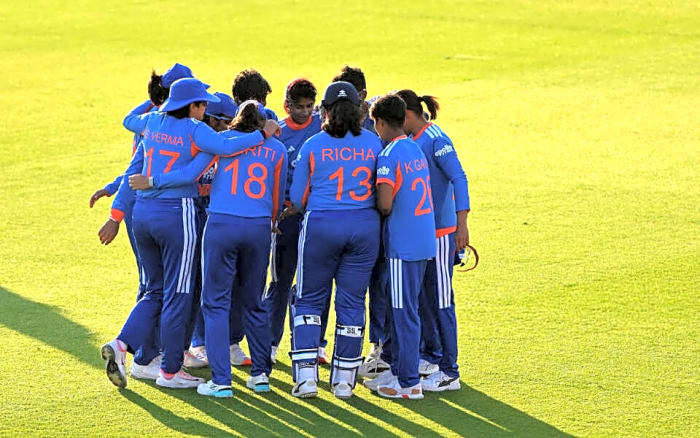
India Women (Source: Harry Trump/Getty Images)
India features one of the strongest top-order batting line-ups in the tournament. Shafali Verma and Smriti Mandhana offer a mix of aggression and stability, while Jemimah Rodrigues can perform well under pressure. Captain Harmanpreet Kaur provides essential experience and poise during key moments.
The lower middle order has less experience. Bharti Fulmali, Nandani Sharma, Shree Charani, and Kranti Gaud may face heavy pressure in high-stakes situations, especially when chasing difficult totals or closing out tight matches.
Netherlands
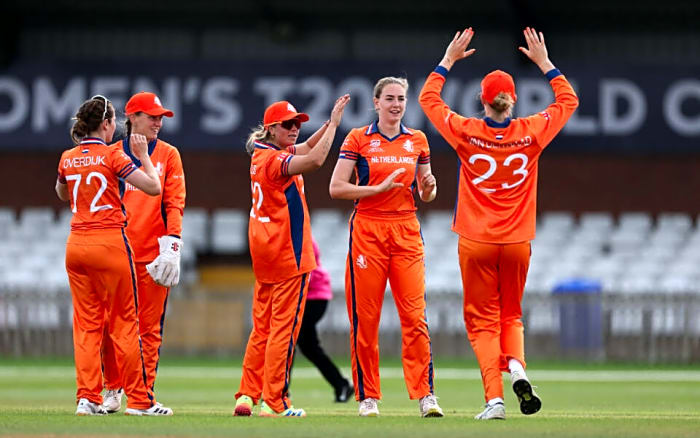
Iris Zwilling (Source: George Wood-ICC/ICC via Getty Images)
The Netherlands have a batting unit familiar with English conditions. Sterre Kalis, captain Babette de Leede, and Robine Rijke are a capable trio who can score quickly while maintaining consistency.
Their greatest challenge is experience. The Dutch team has limited encounters with stronger teams like Australia and India, and their lack of experience in high-pressure global matches could be detrimental.
Pakistan
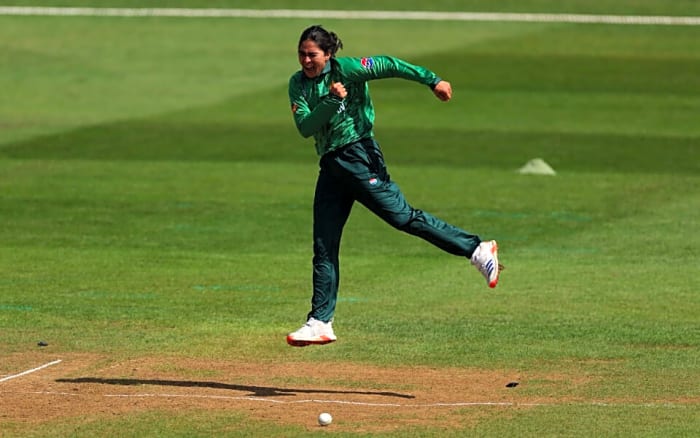
Tasmia Rubab (Source: George Wood-ICC/ICC via Getty Images)
Pakistan’s spin-bowling lineup is among the strongest in the tournament. Sadia Iqbal, Nashra Sandhu, and Tuba Hassan can utilize favorable conditions and frequently create wicket-taking chances.
Batting, especially in the middle overs, is a concern. Players like Eyman Fatima, Natalia Parvaiz, Rameen Shamim, Saira Jabeen, and Tasmia Rubab will be making their World Cup debuts, and the overall scoring rate has often not met modern T20 benchmarks.
South Africa
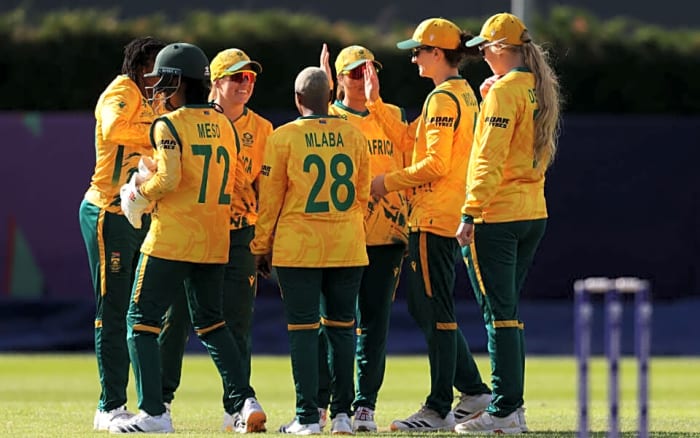
South Africa Women (Source: Matthew Lewis-ICC/ICC via Getty Images)
South Africa has top-notch all-rounders in Marizanne Kapp, Nadine de Klerk, and Chloe Tryon, all capable of turning a match in their favor. Their pace attack, led by Shabnim Ismail and Dané van Niekerk, adds further power and experience.
The batting lineup can become overly reliant on key players. If Laura Wolvaardt and Tazmin Brits do not set a strong foundation, the middle order may struggle to maintain momentum against competent pace attacks.
England
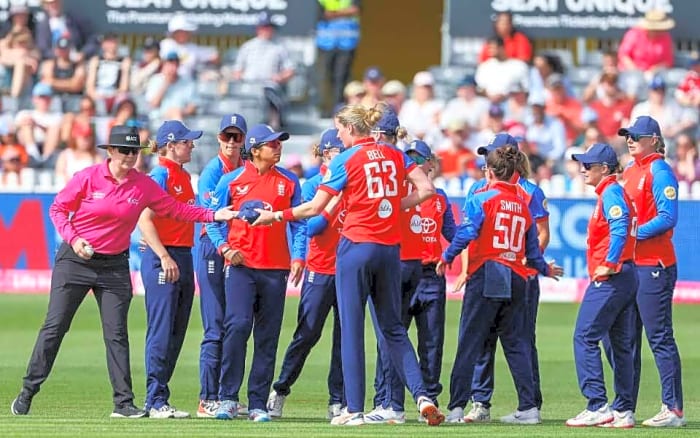
England Women’s Team. (Photo Source: MI News/NurPhoto via Getty Images)
England’s biggest advantage is playing at home. Familiarity with local conditions and weather will help them adapt quickly and leverage their strengths. Their bowlers can exploit overcast weather effectively.
Inconsistency in the top order remains an issue. Danni Wyatt-Hodge and Alice Capsey are vital for England, but early wickets could put pressure on the batting lineup against quality pace attacks.
Ireland
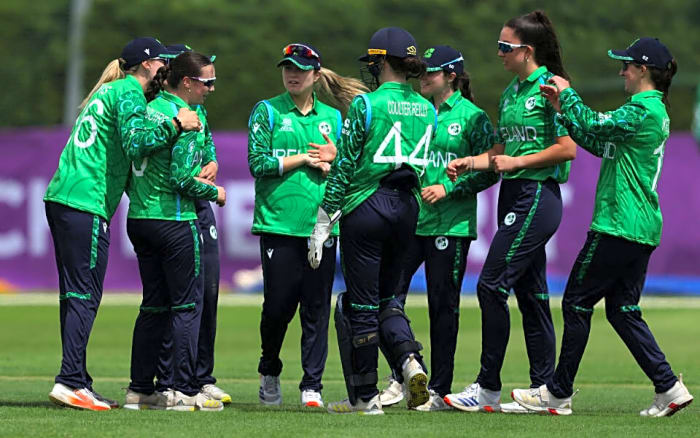
Ireland Women’s Team. (Photo Source: Matthew Lewis-ICC/ICC via Getty Images)
Ireland’s top-order batters are in good shape. Gaby Lewis, Orla Prendergast, and Amy Hunter form a strong foundation and can challenge even tough bowling line-ups.
The batting depth is a worry. With several inexperienced players in the lower order, Ireland may struggle against elite bowling attacks if the top order falters.
New Zealand
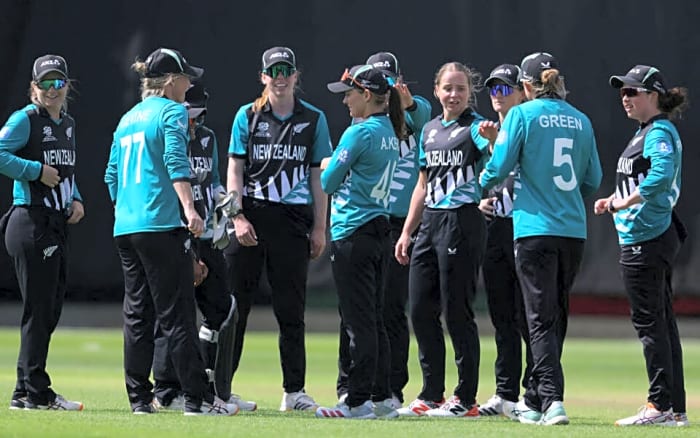
New Zealand Women’s Team. (Photo Source: Matthew Lewis-ICC/ICC via Getty Images)
New Zealand’s experienced players are their key strength. Sophie Devine, Suzie Bates, and Melie Kerr provide leadership, skill, and calmness, with their extensive International experience being crucial in tournaments.
However, the team can sometimes rely too much on senior players. If the top order doesn’t perform, the middle order has had difficulties maintaining scoring momentum.
Scotland
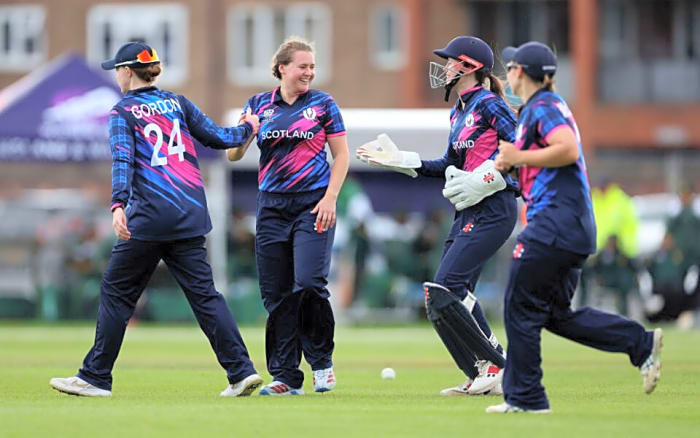
Scotland Women (Source: George Wood-ICC/ICC via Getty Images)
Scotland’s main strength is their solid group of all-rounders. Captain Kathryn Bryce and wicketkeeper-batter Sarah Bryce make a reliable partnership, while former England spinner Kirstie Gordon adds valuable experience.
However, the batting line-up is at risk if the Bryce sisters and Darcey Carter are dismissed early. The lower order struggles to keep up the scoring rate against tougher teams.
Sri Lanka
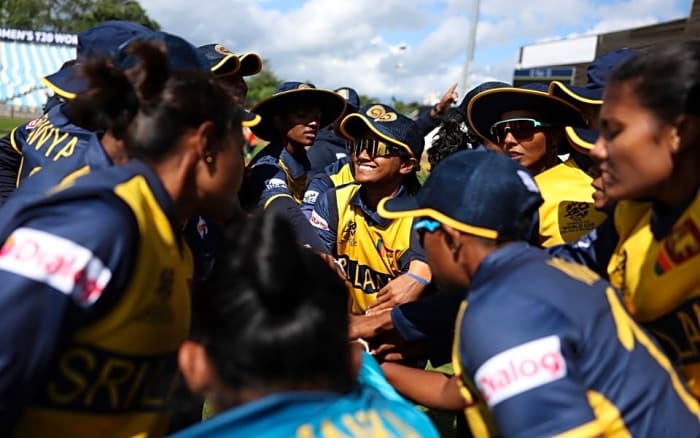
Sri Lanka Women (Source: George Wood-ICC/ICC via Getty Images)
Captain Chamari Athapaththu is Sri Lanka’s key player. Along with Vishmi Gunarathne and Harshitha Samarawickrama, she makes a competent top order capable of anchoring the innings and speeding up when necessary.
Despite the presence of experienced batters, the bowling attack lacks solid depth. With several players making their tournament debut, handling pressure may pose a challenge.
West Indies
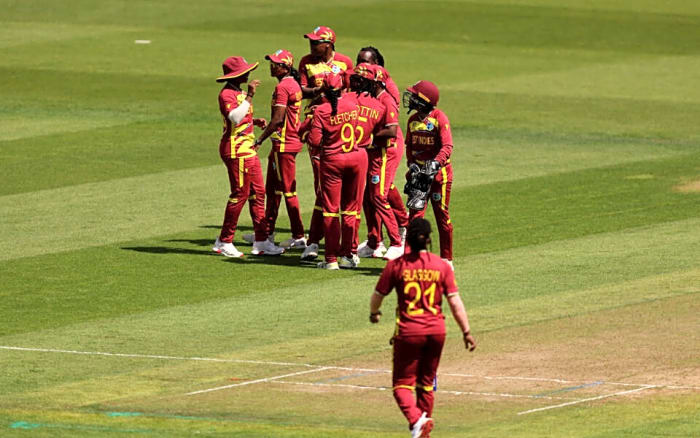
West Indies Women (Source: Jack Thomas-ICC/ICC via Getty Images)
The West Indies have one of the strongest all-round teams in the tournament. Hayley Matthews, Deandra Dottin, and Stafanie Taylor are capable of winning matches, while Chinelle Henry and Qiana Joseph enhance the batting line-up.
There is a heavy reliance on experienced players. Beyond the seasoned core, younger players like Jahzara Claxton, Ashmini Munisar, Jannillea Glasgow, and Zaida James are still developing. If the senior players falter, the team’s momentum in scoring can quickly drop.