


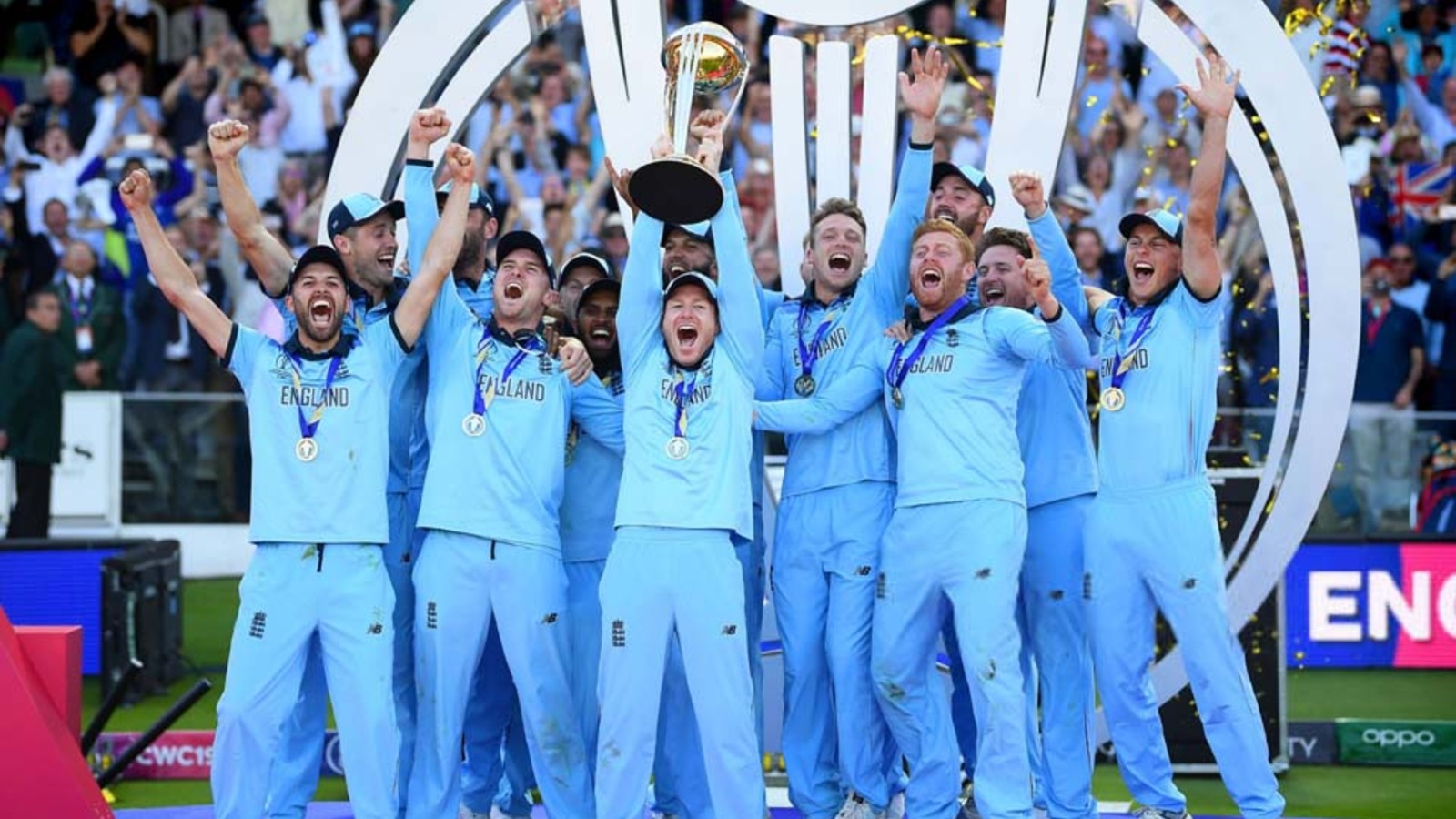
The England and Wales Cricket Board (ECB) is looking into changing the player eligibility rules for England for the first time since the fast-tracked qualification of Jofra Archer in 2019.
In 2019, the ECB reduced the residency requirement for overseas-born players from seven years to three. This allowed Archer to qualify sooner and participate in the 2019 Cricket World Cup, where he significantly contributed to England’s victory. The change also shortened the cooling-off period for players who had played for another Full Member nation.
At that time, the ECB stated that the adjustment aimed to align with global standards, not to benefit just one player. Now, they are considering further changes to align England’s eligibility criteria even more with the International Cricket Council (ICC) regulations.
Currently, the ECB requires male and female players to meet all three of the following conditions:
- British citizenship
- Born in England or Wales, or three years of residence (at least 210 days per year from April to March)
- Not played as a local player in professional international or domestic cricket in a Full Member country in the last three years
According to the ICC eligibility criteria, players can qualify for England by meeting just one of the following conditions, in addition to not having played for another Full Member country in the past three years:
- British citizenship
- Born in England or Wales
- Three years of residence (on a rolling basis)
The ECB is considering more flexibility in its eligibility rules, including a proposal that would allow players to meet only two of the three criteria instead of all three.
Another issue under review is whether players should have to give up their local player status in their home country while pursuing eligibility for England. This issue is becoming more significant due to the rise of franchise leagues like the SA20.
A noteworthy case is Leus du Plooy, a Middlesex batter playing in SA20 as an overseas player while also pursuing England eligibility. He moved to Derbyshire in 2019 as a Kolpak player, gained residency through a Hungarian passport, and recently acquired a British passport, which will allow him to qualify for England later this summer.
Another prospect is Daniel Lategan, a promising 19-year-old opener from Cape Town now with Worcestershire. He is on course to qualify for England in 2028 under the current rules but still holds domestic status in South Africa and was part of MI Cape Town in this year’s SA20, although he did not play in a match.
Relaxing these regulations could help avoid situations like that of Charlie Hemphrey. Although born in Doncaster and developing through Kent, Hemphrey continued his career in Australia with Queensland. Due to a technicality, he lost his England-qualified status and underwent a three-year requalification period before returning to county cricket with Glamorgan in 2019.